Studio (Library)
On theshelf
Twenty-two books we keep near the drawing table: about architecture, and about the rest of the work. A line or two on why each one is here.
(01) Architects we go back to
-
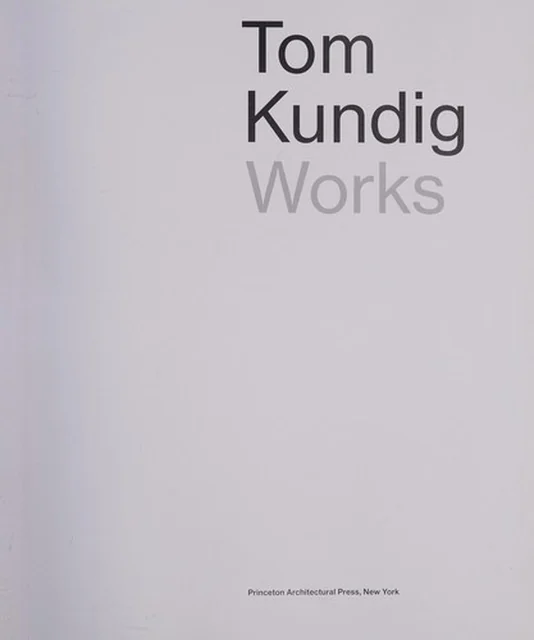
Tom Kundig: Works
Tom KundigPrinceton Architectural Press, 2015
Raw steel, timber and concrete, and the mechanisms Kundig calls gizmos: hand-cranked shutters and walls that pivot open to the landscape. The book that taught us a building can move, and close up when no one is there.
-
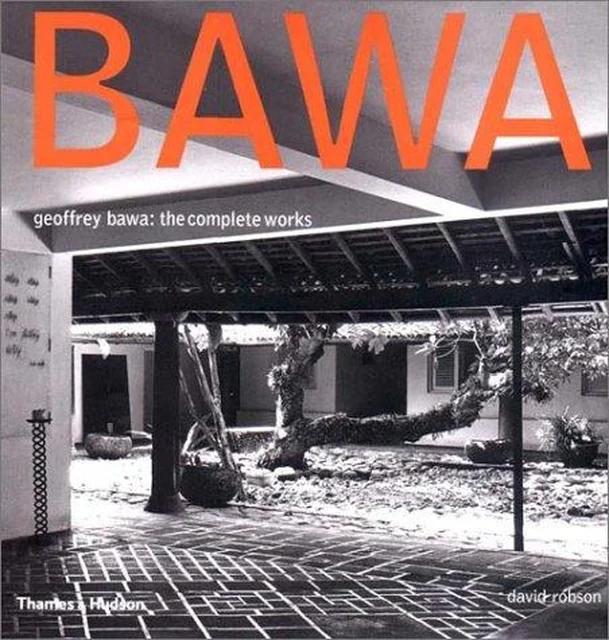
Geoffrey Bawa: The Complete Works
David RobsonThames & Hudson, 2002
Tropical modernism from Sri Lanka: deep verandas, courtyards open to the rain, buildings that step down a slope instead of flattening it. Of everyone on this shelf, his climate is the closest to ours.
-
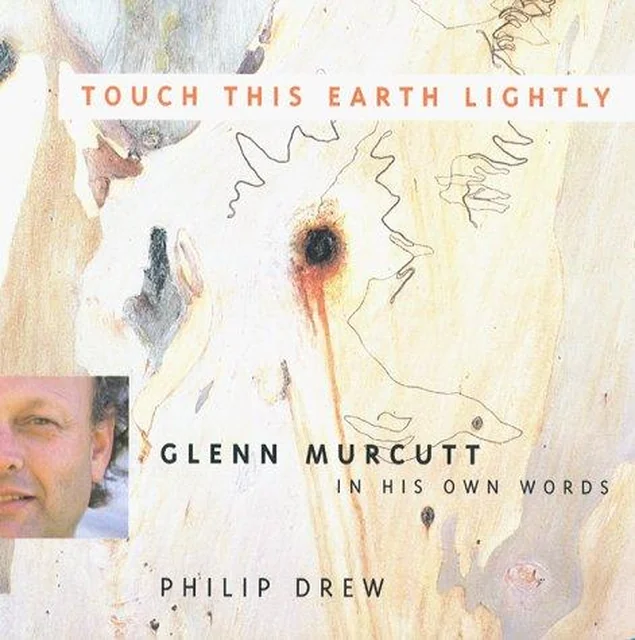
Touch This Earth Lightly: Glenn Murcutt in His Own Words
Philip DrewDuffy & Snellgrove, 1999
Murcutt's houses follow the sun and the breeze with louvres, overhangs and long thin plans, and here he explains each move in plain words. The title is also a fair brief for building near a beach.
-
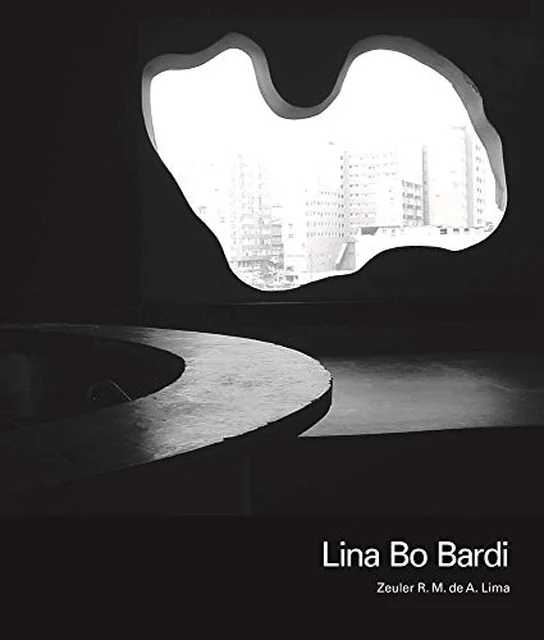
Lina Bo Bardi
Zeuler R. M. de A. LimaYale University Press, 2013
An Italian who became a Brazilian architect and built the Casa de Vidro and the SESC Pompéia in São Paulo. The biography follows how she worked with local craft and materials, which is what we try to do with Costa Rican ones.
-
Atmospheres
Peter ZumthorBirkhäuser, 2006
Short notes on why a room feels the way it does: the body of the building, the sound of a space, its temperature, the light on things. It reads in an hour, and we come back to it often.
-
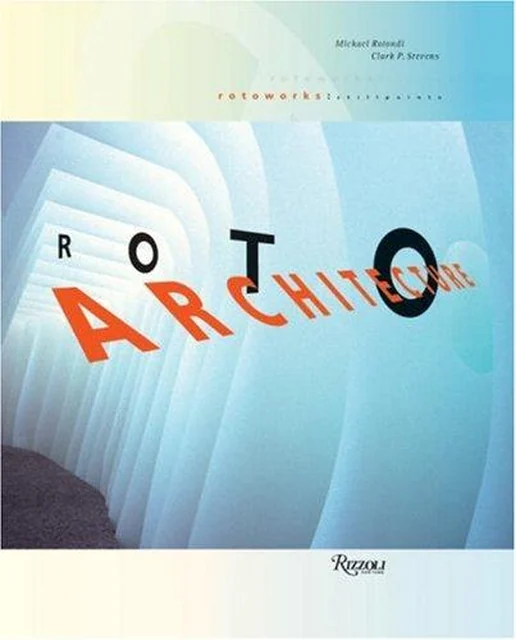
RoTo Architecture
Michael Rotondi, Clark StevensRizzoli, 2006
Michael Rotondi was a partner at Morphosis and directed SCI-Arc before founding RoTo with Clark Stevens. Their buildings are worked out drawing after drawing until site, structure and use become one move, a good reminder when a plan settles too early.
-
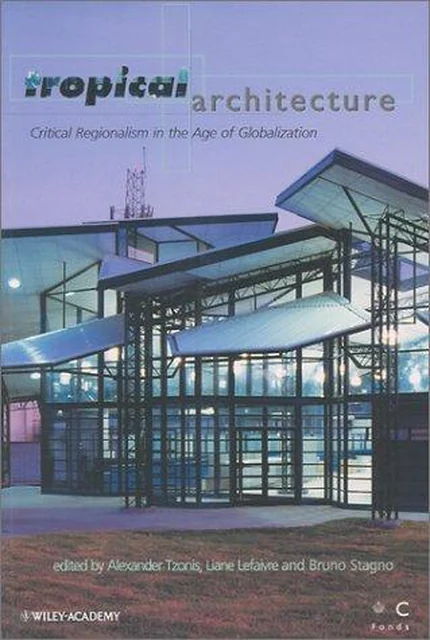
Tropical Architecture: Critical Regionalism in the Age of Globalization
Alexander Tzonis, Liane Lefaivre, Bruno Stagno (eds.)Wiley-Academy, 2001
Co-edited by Bruno Stagno, who has built in Costa Rica for decades and founded the Instituto de Arquitectura Tropical, where RESET was written. Essays and buildings on designing for the tropics without imported formulas.

(02) Ideas
-
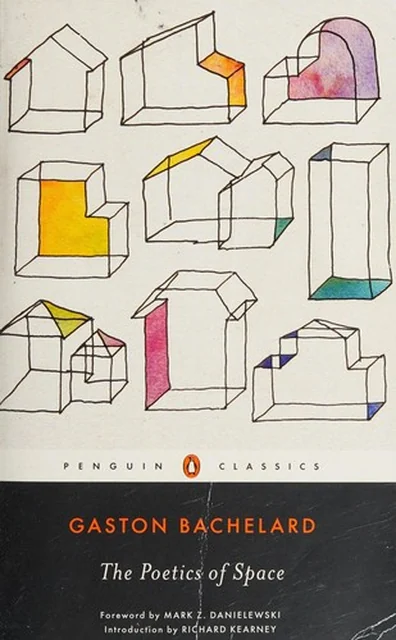
The Poetics of Space
Gaston Bachelard1958; Penguin Classics, 2014
A philosopher reads the house from cellar to attic, through drawers, nests and corners, as the places where we daydream. There is not a single floor plan in it, and it still changes how you draw one.
-
In Praise of Shadows
Jun'ichirō Tanizaki1933; Leete's Island Books, 1977
An essay on dimness: lacquer in candlelight, paper screens, the dark under a deep roof. Written about Japanese houses, and true of any house in the tropics, where shade is the luxury.
-
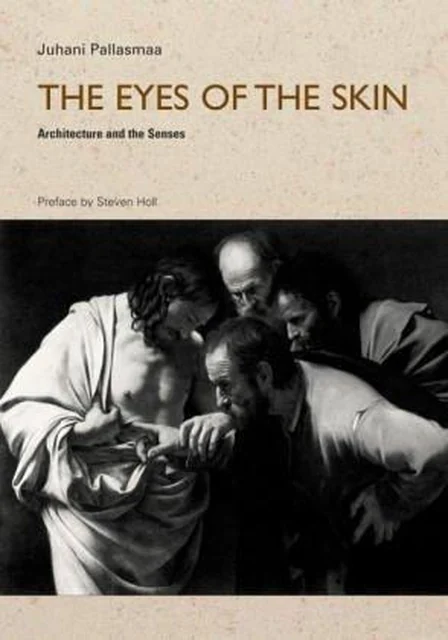
The Eyes of the Skin: Architecture and the Senses
Juhani PallasmaaWiley, 1996
Architecture is felt with the whole body, not only seen. A short book against designing for the photograph, which we try to keep in mind while making the images on this site.
-
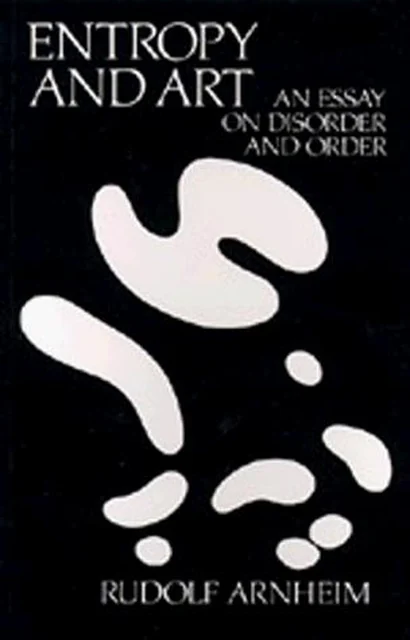
Entropy and Art: An Essay on Disorder and Order
Rudolf ArnheimUniversity of California Press, 1971
A psychologist of art takes the second law of thermodynamics into the studio: is order something we impose, or something things settle into? Short, odd, and useful for thinking about why a plan feels resolved.
-
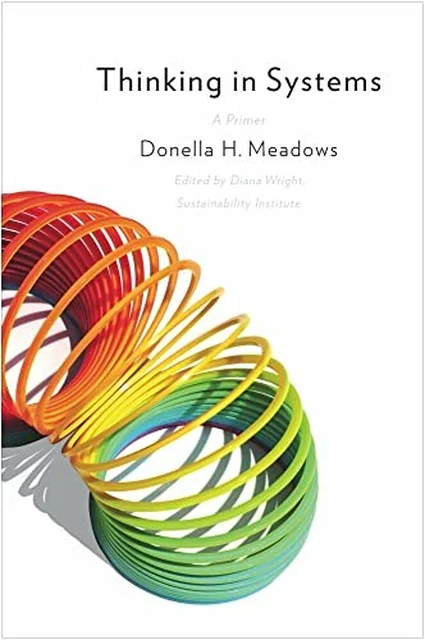
Thinking in Systems: A Primer
Donella H. MeadowsChelsea Green, 2008
Stocks, flows and feedback loops, explained with bathtubs. A water tank, the heat in a room and a construction schedule all behave this way, and seeing it saves a lot of guessing.

(03) School and reference
-
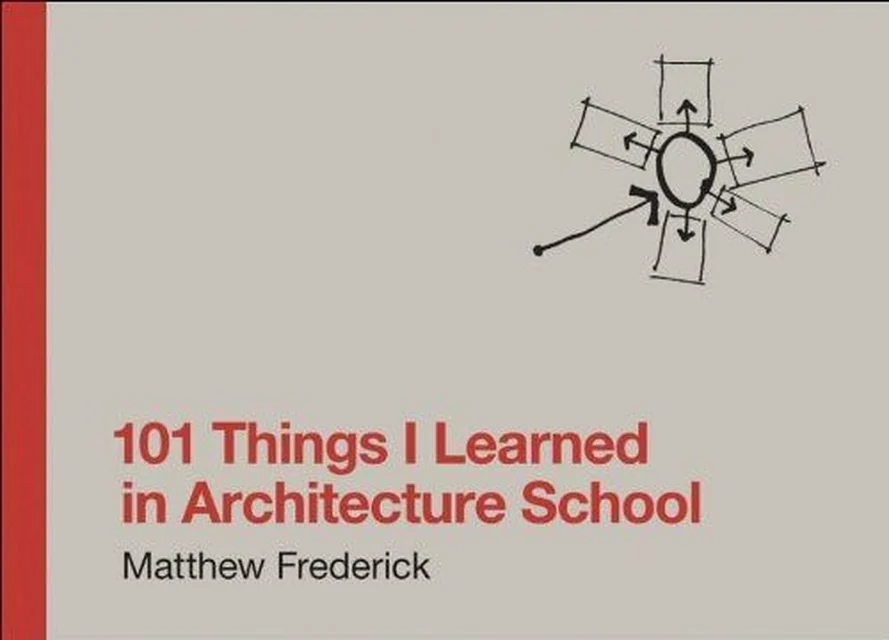
101 Things I Learned in Architecture School
Matthew FrederickMIT Press, 2007
One idea per spread, a sentence and a drawing: how to draw a line, what a parti is, why the corner matters. The book we would hand a client who wants to know how we think.
-
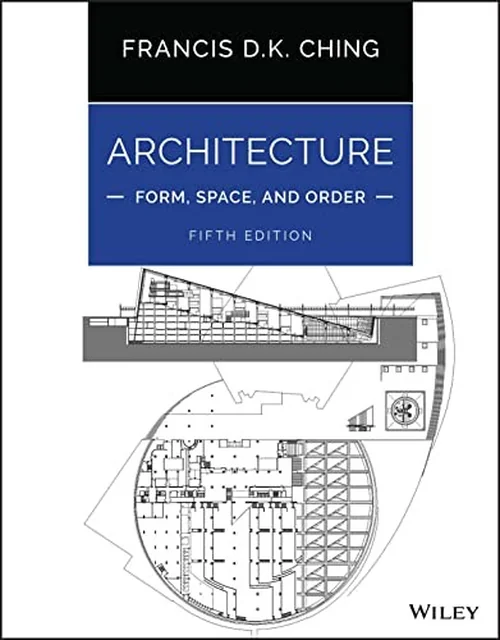
Architecture: Form, Space, and Order
Francis D. K. Ching1979; Wiley, fifth edition 2023
Ching's drawings sort two thousand years of buildings by geometry, axis, symmetry, rhythm and threshold. The compendium many architects learned to see with, us included.
-
A Pattern Language
Christopher Alexander and othersOxford University Press, 1977
253 patterns, from regions down to window seats, each a problem and a way to solve it. Light on two sides of every room is one of them, and it is in most of our plans.
-
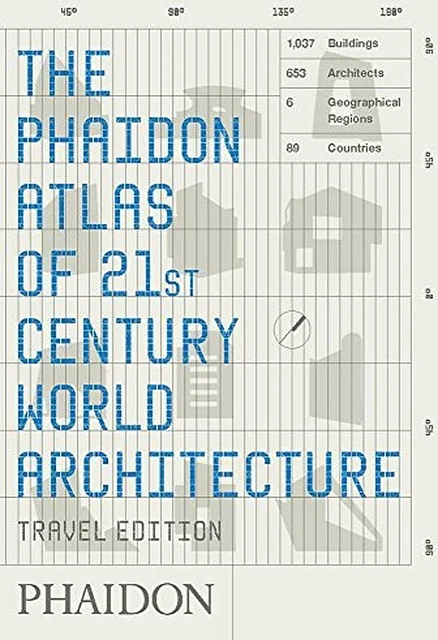
The Phaidon Atlas of 21st Century World Architecture
Phaidon editorsPhaidon, 2008; travel edition 2011
1,037 buildings in 89 countries, all finished this century, mapped region by region. We open it at Central America and the Caribbean to see what our neighbours are building.
-
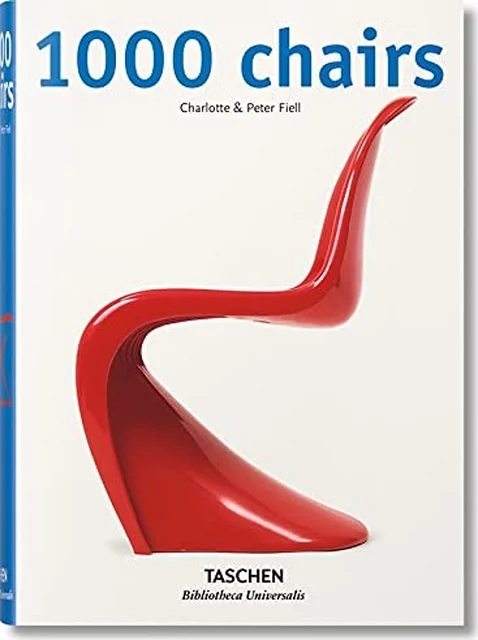
1000 Chairs
Charlotte and Peter FiellTaschen, 1997; revised since
A thousand chairs in order, from Thonet to now. A chair is where ideas about structure and the body fit in one object, and many of the best were drawn by architects.

(04) Computation, type and image
-
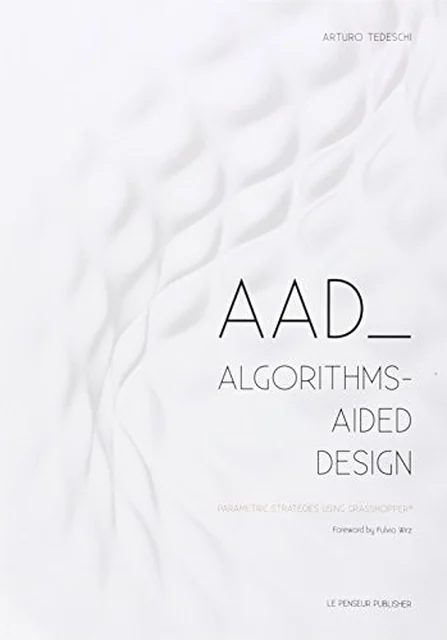
AAD Algorithms-Aided Design: Parametric Strategies Using Grasshopper
Arturo TedeschiLe Penseur, 2014
A Grasshopper manual that teaches the thinking as well as the buttons: data structures, attractors, form-finding. We use parametric models for roofs, louvres and sun studies, and this one stays within reach.
-
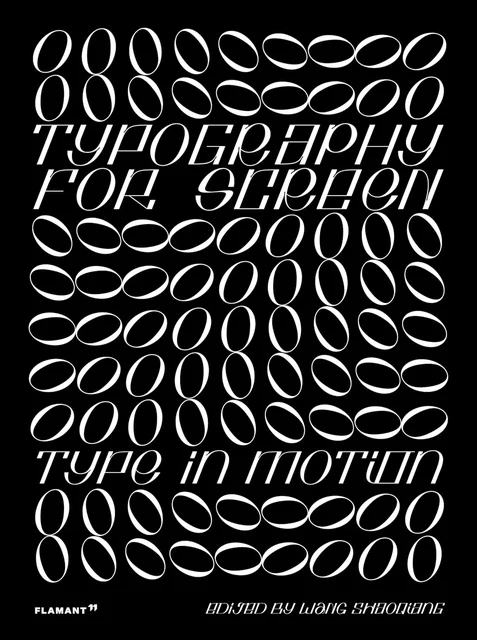
Typography for Screen: Type in Motion
Wang Shaoqiang (ed.)Flamant, 2020
Type made to move: motion graphics, websites and experiments, with interviews with the studios behind them and QR codes to the work in motion. The titles on this site step and slide across the page for reasons that start here.
-
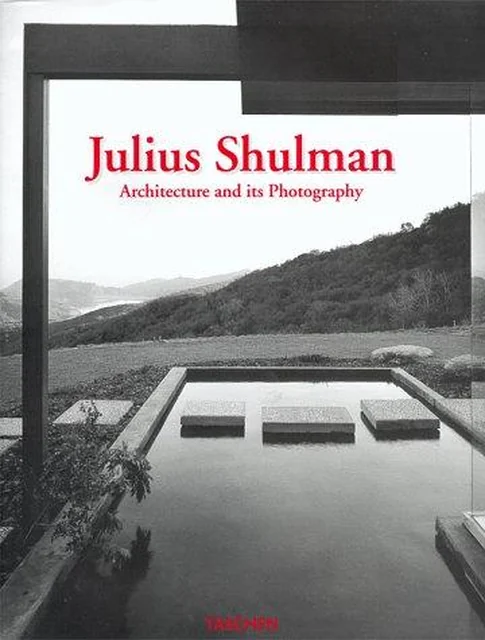
Julius Shulman: Architecture and Its Photography
Julius Shulman, Peter Gössel (ed.)Taschen, 1999
The photographs that made Californian modernism famous: the Kaufmann House pool at dusk, Case Study House 22 hanging over Los Angeles. Shulman set up every frame, the lights, the furniture, sometimes the people, and seeing how is the best lesson we know in photographing a house.
(05) How we work
-
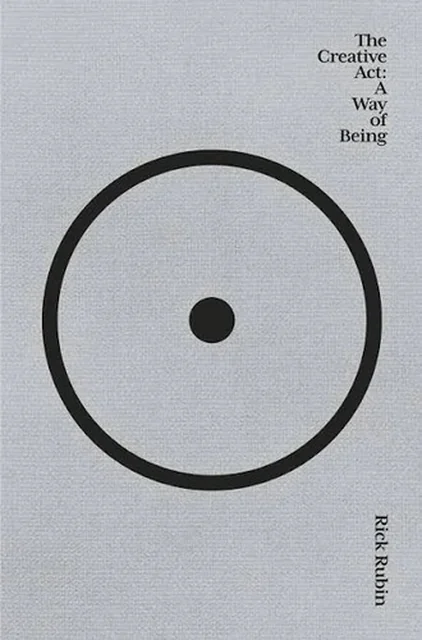
The Creative Act: A Way of Being
Rick RubinPenguin Press, 2023
A music producer on paying attention, starting before you feel ready and finishing what you start. None of it is about architecture, and all of it applies.
-
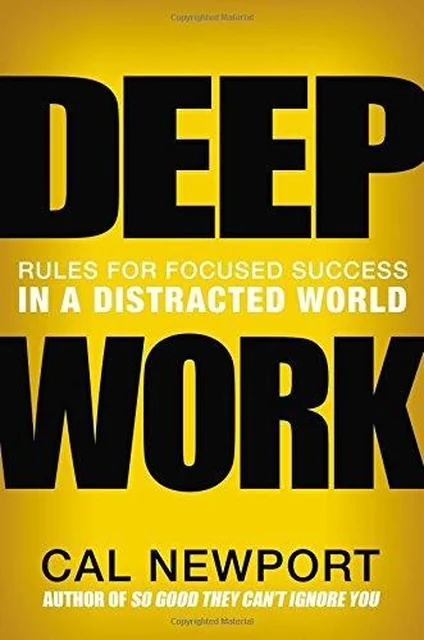
Deep Work: Rules for Focused Success in a Distracted World
Cal NewportGrand Central, 2016
Design needs long stretches without messages. This is the case for protecting them, with a method for doing it.
Covers from Open Library and booksellers' listings. The books belong to their authors and publishers; we have no arrangement with any of them.